I really enjoy fall and winter farming. There are many reasons why I like fall and winter growing better than spring and summer growing, but the main one is that I like to eat the fall and winter crops more than those that we are able to grow in the hot months. And when you get down to it, it’s all about the eating, isn’t it? All of the time and effort that we put into growing our crops doesn’t really reach its full potential until they are cooked/prepared and consumed. I love growing new crops and exploring new recipes for how to use them. I plan to focus a bit more on the cooking and preparing aspects of vegetable growing in the upcoming year so you can expect to see more recipes appearing in the recipe section [1] of our web site, as well as some recipes and cooking discussions in our newsletter blog posts.
This Thanksgiving I tried to plan my menu around the vegetables that I was harvesting from the gardens. The garden cooperated by providing potatoes, sweet potatoes, broccoli, green onions, pumpkins, winter squash, chard, beets, lettuce and radishes. We are vegetarians, so our menus include more vegetables than a typical menu might. Our Thanksgiving menu featured a cheese-nut loaf and stuffing, smothered with Wheatsville mushroom gravy, along with fresh cranberry sauce, sweet potato casserole, steamed broccoli, fresh veggies with dill dip, homemade yeast rolls and pumpkin pies made with Baby Pam pumpkins from the garden. I can honestly say that I did not miss the turkey this year. Using fresh ingredients, either grown in our gardens, or bought from Wheatsville Coop, and making all the dishes from scratch made such a difference in the flavors of the food. I was grateful to have the time and ingredients to put into our holiday dinner this year.
Making pumpkin pie using fresh pumpkins is pretty simple. What you are after is a cooked pumpkin meat puree that you can add to the other pie filling ingredients. I use the steaming method to accomplish this, which is done by cutting the pumpkins in half and scraping out the seeds and pulp. Depending on the size of the pumpkins and the size of the pot you are going to use to steam them, chop the pumpkin into chunks. Place the chunks into a pot with about an inch of water (I use a steaming tray to keep the chunks out of the water.) and simmer in a covered pot for about 35-45 min, or until the pumpkin meat is tender. Remove the pumpkin from the pot and set out to cool. Once they are cool enough to handle, use a spoon to remove the meat from the skin. Mash or puree the meat to the consistency that you like. I used the Classic Pumpkin Pie recipe from the King Arthur Flour Baker’s Companion Cookbook [2] for these pies.
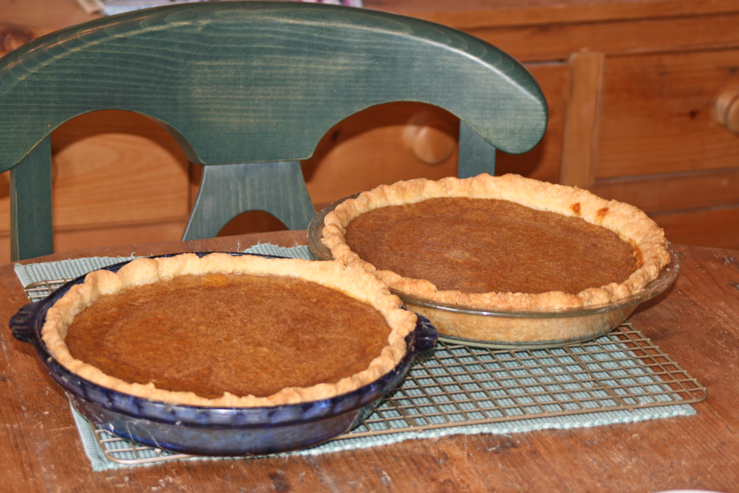
Thanksgiving Dinner Pumpkin Pies
Our broccoli matured just in time for Thanksgiving and because I progression planted it is still producing lovely, large heads. A bonus we get from growing Packman broccoli is all of the side shoots they produce after the main head has been harvested. The small side shoots are the perfect size for salads and stir fries.
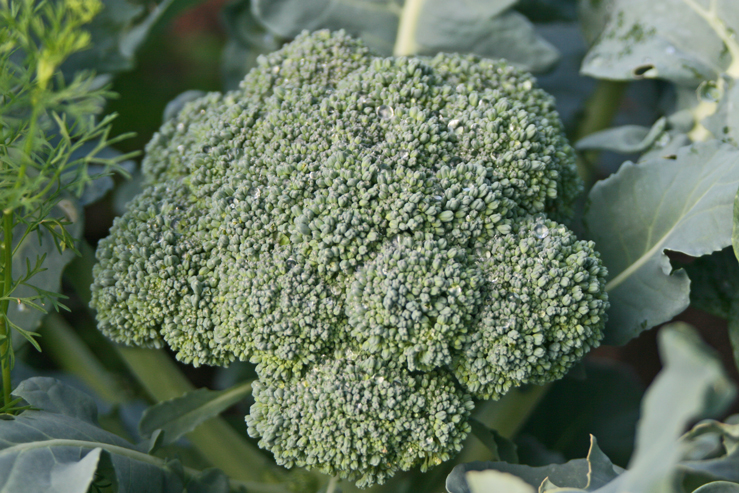
Lovely, Large Broccoli Heads
Other goodies in the Thanksgiving week farm shares included loads of swiss chard, pac choi, collard greens, lettuce, tat soi, Chinese (Kaboko) cabbage, broccoli, russet and yukon gold potatoes, sweet potatoes, green onions, radishes, pumpkins, winter squash, beets, fresh herbs and homemade banana bread. There was so much bounty that the shares were double-sized this week.
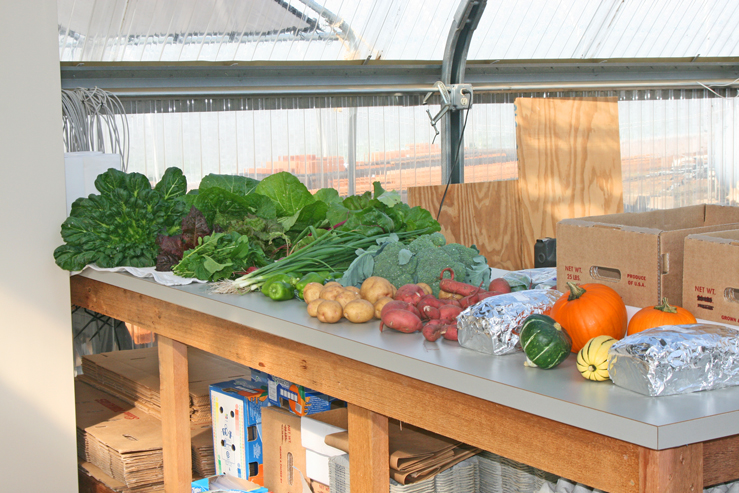
Farm Share Contents for Nov 22
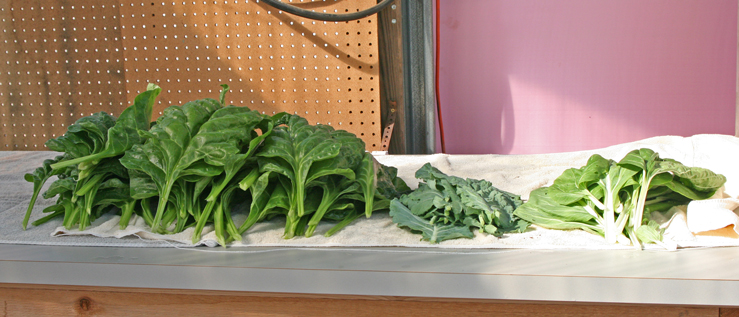
Farm Share Contents for Nov 22
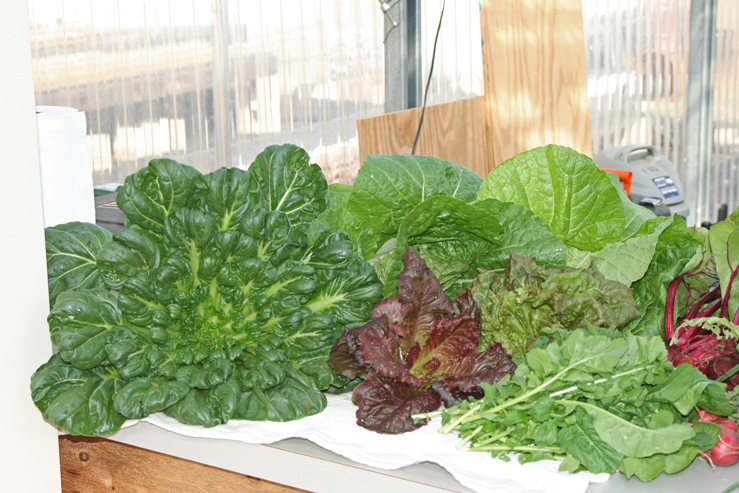
Tat Soi, Chinese Kaboko Cabbage, Lettuce, Arugula
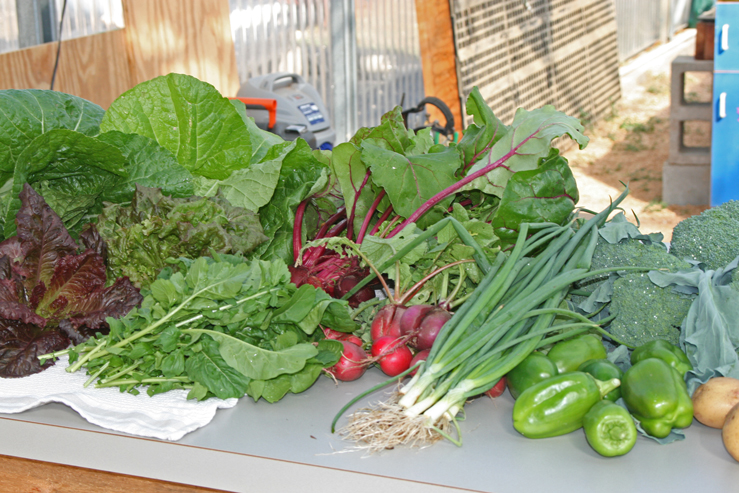
Beets, Radishes, Green Onions, Bell Peppers and Broccoli
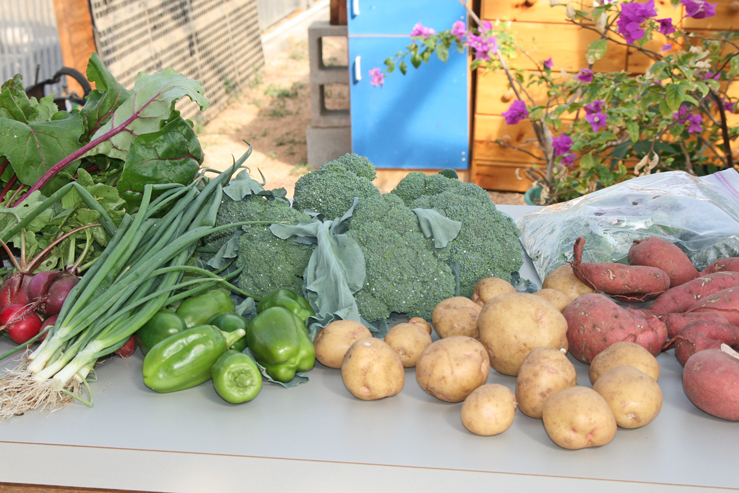
Green Onions, Bell Peppers Broccoli, Potatoes and Sweet Potatoes
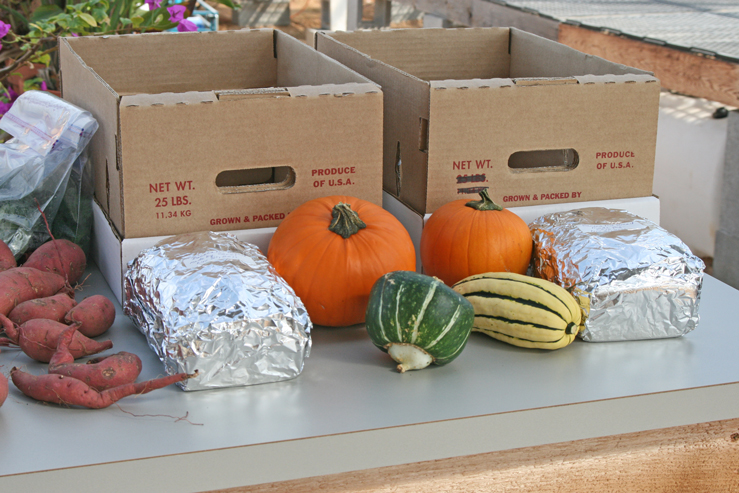
Sweet Potatoes, Fresh Herbs, Homemade Banana Bread, Pumpkins and Winter Squash
Our new “One West” growing area is full of fall and winter crops, all of which are doing really well now that the weather is wetter and cooler. Pictured below is the first of nine raised growing beds that will be installed in the area. Click here [3] to see a simple layout of the growing area.
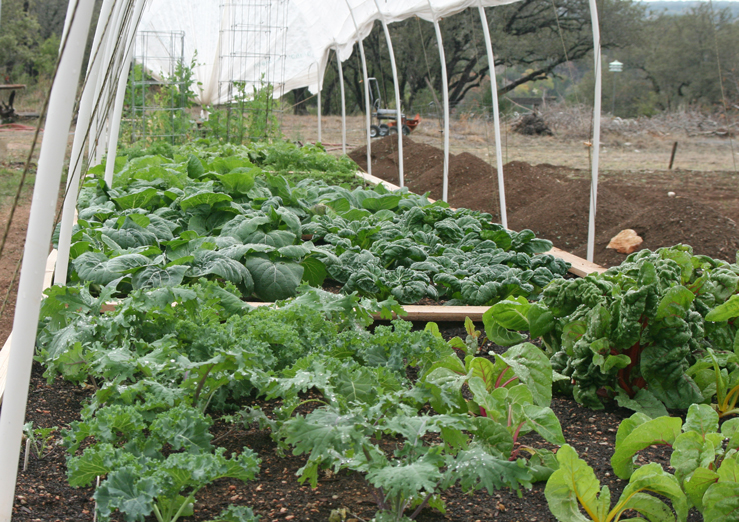
One West Raised Bed #1
We have a variety of short day onions and some leeks growing in this section of the bed.
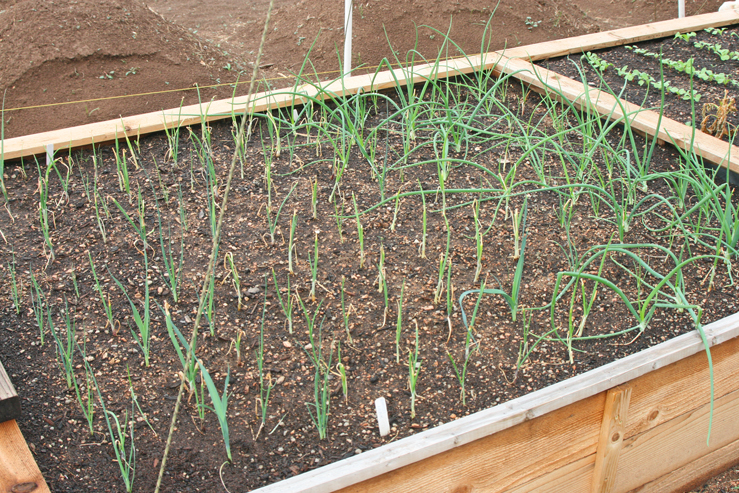
Onions and Leeks
We have early beets, Detroit Red beets and some newly planted turnips in this section.
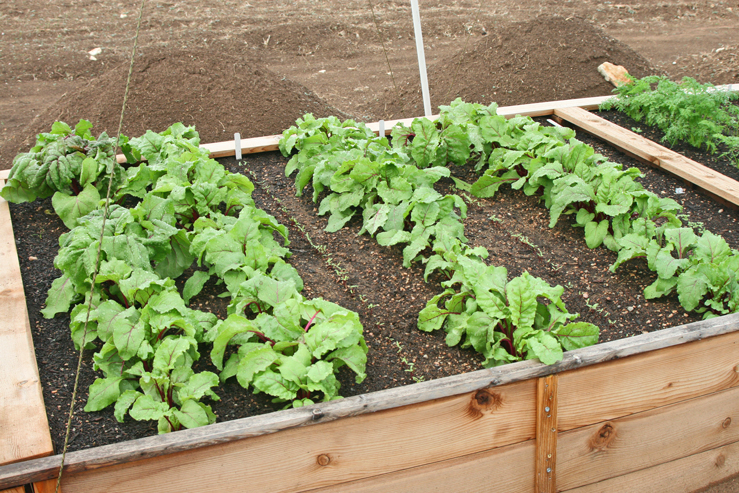
Beets and Turnips
Succession plantings of carrots and parsnips are shown below.
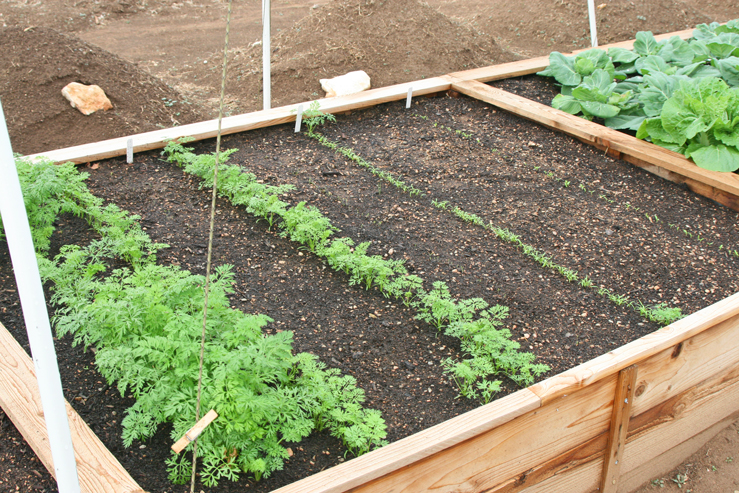
Carrots and Parsnips
The Farao cabbage isn’t quite ready for harvest yet, but the Kaboko cabbage is just now maturing.
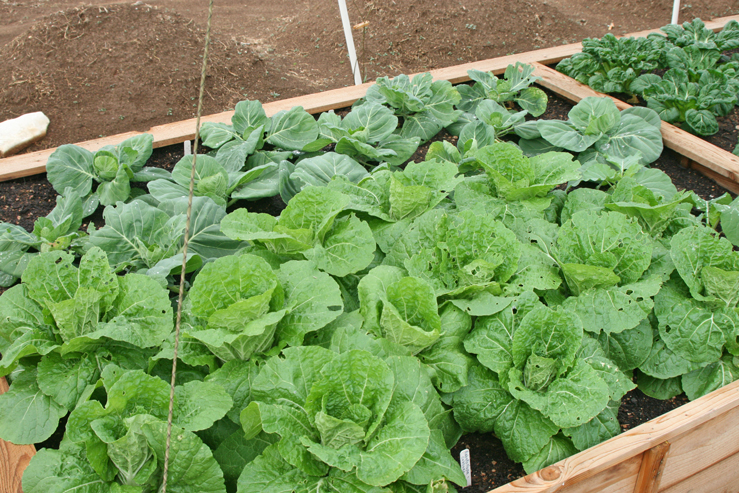
Farao Cabbage and Chinese Kaboko Cabbage
The tat soi and pac choi are beautiful and so tasty in stir fries.
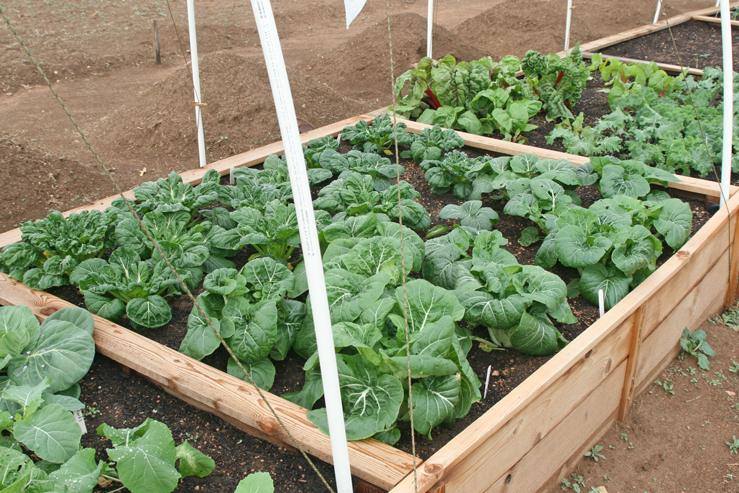
Tat Soi and Pac Choi
We redesigned the hoop structure for this bed for the winter season by cutting the hoops in half and doubling the protective fabric to provide better insulation and protection for the crops as well as more stability of the hoop tunnel in the gusty north winds that we get in the winter. The new design seems to be working well so far. We are expecting the coldest temperatures of the season this week, so we will see if we have adequate protection or not.
Wishing you warm and happy holidays.
Carol
5 Comments To "Welcoming Winter"
#1 Comment By jeannette On December 7, 2011 @ 9:41 am
Hi Carol,
What kind of cover cloth are you using? We finally built our hoop structures this weekend and as a last minute purchase bought some 4mil plastic at the home improvement store. One of my bookmarked blogs from the NW (somewhere REALLY cold) uses this plastic for their winter growing.
#2 Comment By Indian River Irrigation On December 7, 2011 @ 12:23 pm
Wonderful garden! The main thing that i look forward to durring the winter is oranges, when we get a cold snap here in florida, I wait about 2 weeks then pick the oranges, they always end up vary sweet!
Thanks for posting the photos, you deffently have a ‘green thumb’!
[6]
#3 Comment By Carol On December 7, 2011 @ 3:20 pm
Hi Jeannette – we use Agribond in various weights & sometimes we double cover stuff to get extra insulation. I haven’t tried using any sort of clear plastic. I am worried that it might get too hot on many days here, but with enough venting it might work.
#4 Comment By jeannette On December 9, 2011 @ 1:25 pm
thanks I’ll look into those for down the road. The plastic came in handy and it saved my tomatoes, cucumbers and pepper! These plants all have fruits on them in varying stages of ripeness. FYI – We’re in Houston.
#5 Comment By Georgia Prestwood On December 19, 2011 @ 2:06 pm
Excellent information however I’d like to let you know that I think there is problem with your RSS feeds as they seem to not be working for me. May be just me but I thought overall I would cite it.
My website is [7].